Estate Planning
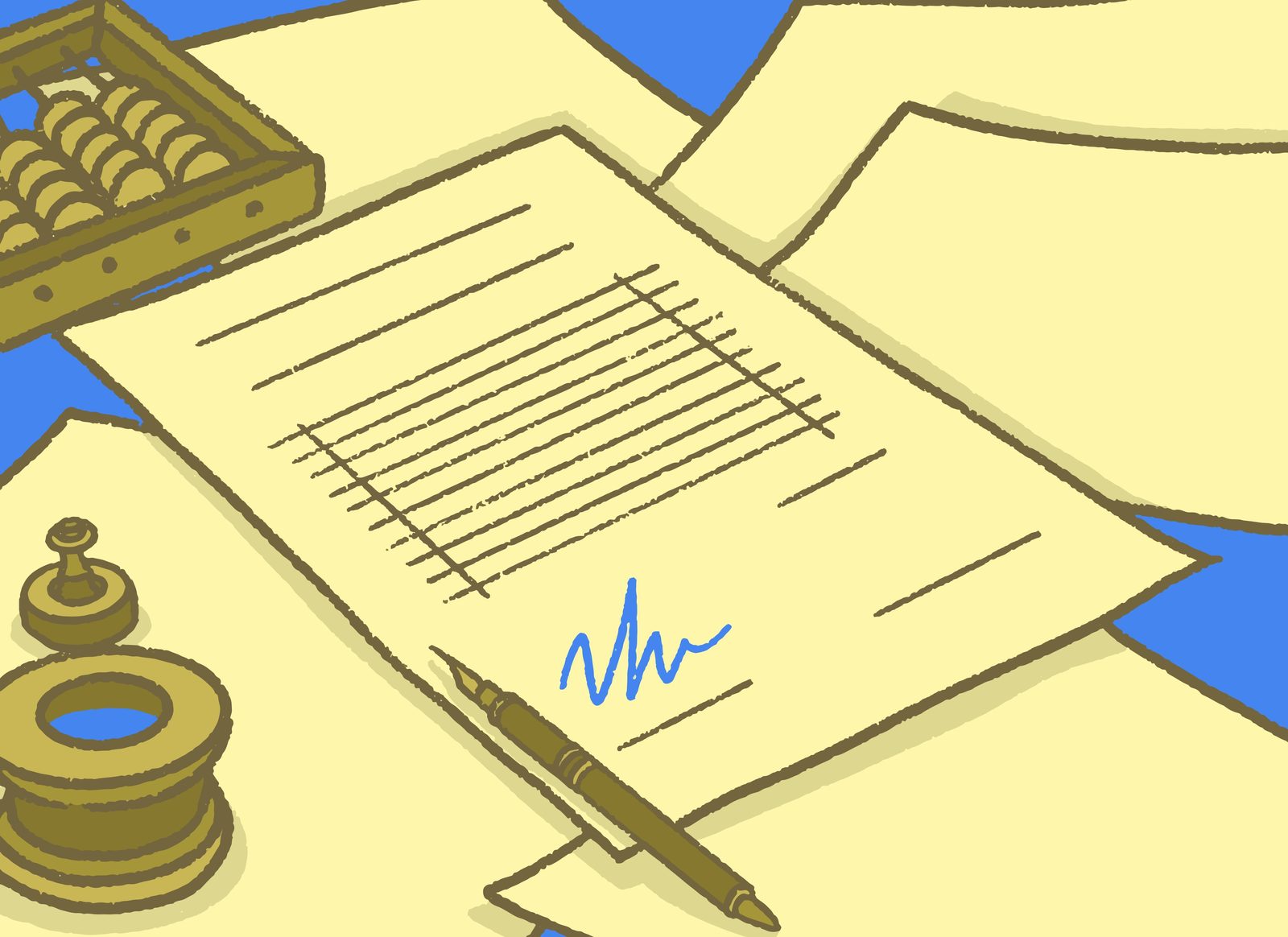
Estate Planning? I’m Young and Don’t Have An Estate. Why Should I Care?
Mention “estate planning” to someone in their twenties and thirties and you might hear: “Estate? I don’t even own a house.”
But estate planning isn’t just for wealthy people—or old people. It’s about protecting what you have built and controlling what happens to it.
And you may have built more than you think.
You might have a 401(k), IRA, investment account, cryptocurrency, car, life insurance through work, a side hustle, intellectual property, or valuable digital assets. You also have something even more important: the right to decide who handles your affairs if you can’t.
Suppose you’re seriously injured and temporarily unable to make decisions. Who can handle your finances? Who makes medical decisions? If you have an unmarried partner, will that person automatically have the authority you assume they have?
And what happens if you die without a will? Who receives your assets? Who gets access to your digital accounts or cryptocurrency?
Without planning, you may be allowing the government to make decisions you could have made yourself.
You probably don’t need a complicated estate plan at your age and if you don’t have many assets. Start with the basics: consider a will, appropriate healthcare and financial powers of attorney, review the beneficiaries on retirement accounts and insurance policies, and create a secure record of your important financial and digital assets.
Then review your will every 5 to 10 years as your life changes over the —marriage, children, a home, a business, or increasing wealth.
In Master Your Cash Flow: Let Them Eat Cake and Build Wealth Too!, we emphasize that creating wealth is only part of financial success.
Build it. Grow it. Protect it.
You may not have much of an estate today.
But you probably possess an extraordinarily valuable asset: time to build one.
And what you are building is worth protecting.
Want to keep improving your financial habits? Check out our Financial Education Library.
Ready to start getting clear on your financial goals? Download CakeClub® in the App Store.
Estate Planning at my age? I don’t even own a house!
I can almost hear that response from someone young when I suggest they should think about estate planning. And I understand it.
When I was in my 20s and 30s, the word estate conjured up images of mansions, large investment portfolios, trusts, lawyers, and wealthy families arguing over who gets what.
Estate planning was something you worried about when you were old. Or rich.
Preferably both.
But after decades of starting companies, advising people about their money, making plenty of financial mistakes myself, and watching people build—and sometimes lose—wealth, I have come to see estate planning very differently.
Estate planning isn’t really about dying.
It’s about control.
But it is also about something else that may be even more important.
It’s about caring for the people you love.
You Have an Estate. You Just Don’t Call It That.
You may not own a home.
You may not have hundreds of thousands of dollars invested.
But perhaps you have $20,000 in a 401(k). A Roth IRA. A brokerage account. Some cryptocurrency. A car. Life insurance through your employer. A side hustle. A small business. A valuable collection. Intellectual property. Digital assets.
Maybe you have a dog or cat…or plant you love more than most people.
Congratulations.
You have an estate.
It may be a small one today.
But you’re not planning only for what you have today. You’re planning for what you are building.
That’s an important distinction.
At 25, $10,000 may not seem like much. But add another $10,000. Invest it. Keep saving. Build your career. Start a company. Buy a home. Continue investing for 20, 30 or 40 years.
Suddenly, you’re not talking about $10,000 anymore.
You’re talking about a lot of wealth.
And Gen Zers and Millennials have one financial asset that I would gladly buy if someone could sell it to me: Time.
But What If Something Happens Tomorrow?
This is where estate planning becomes very real, very quickly.
Suppose you’re 28 years old, perfectly healthy, and involved in a serious accident tomorrow.
You survive, but you’re temporarily unable to communicate.
Who can make medical decisions for you? Who can handle your financial affairs? Who pays your bills? Who can deal with your bank? Who can run your business?
If you’re living with someone but aren’t married, does that person actually have the legal authority you assume they have?
Maybe. Maybe not. And that’s precisely the problem.
Without planning, you may be allowing someone else—or the government—to make decisions you could have made yourself.
That doesn’t sound much like financial freedom to me.
Estate Planning Is Also an Act of Love
There is another side to estate planning that we don’t talk about enough.
The people you leave behind.
Think about what happens when someone you love dies unexpectedly.
Their family is grieving. They may be in shock. They are trying to understand how someone who was part of their life yesterday is suddenly gone today.
Now imagine adding this to their grief: What would he have wanted? Who did she want to receive this? Where are the accounts? Who has authority to handle everything? What happens to the business?
What happens to your beloved pet?
Did he want this person—or that person—to receive his property?
And perhaps worst of all:
“I wish we had asked.”
When you don’t make these decisions while you’re alive and able to make them, someone else may eventually have to make them for you.
Your family may have to deal with lawyers, courts, probate proceedings, government requirements, financial institutions, paperwork, delays and expenses—all while they’re grieving your loss.
And family members who love one another can disagree. Not because they’re bad people. Because they genuinely don’t know what you wanted.
I’ve learned over the years that money can create disagreements in even the best families. Grief can magnify them.
A thoughtful estate plan doesn’t eliminate every problem, but it can answer many questions before they ever need to be asked:
- Who do I want to receive what I have?
- Who do I trust to carry out my wishes?
- Who should make decisions for me if I cannot?
- What do I want to happen to the people—and even the pets—who depend on me?
You make those decisions so the people you love don’t have to.
That is not morbid.
That is caring.
One of the greatest gifts you can leave the people you love may not be the money you leave them.
It may be clarity.
Your Digital Life Is Part of Your Financial Life
You may also own something previous generations never had to think much about: a significant digital estate.
Cryptocurrency is the obvious example. Suppose you own $50,000 of crypto. Your family knows you own it. Wonderful. Now suppose nobody knows how to access it.
Not so wonderful.
You may also own domain names, intellectual property, online businesses, monetized content, photographs, cloud files, social-media accounts, or other digital assets that have financial or sentimental value.
If something happens to you, does anyone know they exist?
Does anyone know where to find them?
I’m not suggesting you leave your passwords and crypto keys sitting in an envelope marked “OPEN WHEN I’M DEAD.” I am suggesting that digital wealth needs a succession plan just as physical wealth does.
That’s a very twenty-first-century estate-planning problem.
Start Simple
In your 20s and maybe 30s, you probably don’t need a complicated 50-page estate plan.
You do need to think. Consider a basic will. Consider appropriate healthcare directives and financial powers of attorney. Look at the beneficiaries on your retirement accounts and life insurance.
If you named your college sweetheart ten years ago and haven’t looked at the form since, look at the form!
Make sure someone you trust knows how to locate important financial and digital information if you become unable to manage it yourself.
Then ask yourself one more question:
If I weren’t here tomorrow, would the people I love know what I wanted them to do?
If the answer is no, you have some work to do. And then, once you’ve done it, forget about it?
Absolutely not.
Review it when your life changes or every 5 to 10 years. Marriage. Divorce. Children. Buying a house. Starting a business. Receiving an inheritance. Building substantial wealth. Moving to a new state.
Your estate plan should grow up as you do.
Build It. Grow It. Protect It.
In Master Your Cash Flow: Let Them Eat Cake and Build Wealth Too!, I have tried to make financial planning understandable rather than intimidating.
You don’t build wealth because you want a bigger number on a financial statement.
You build wealth because money can give you something much more valuable:
Choices.
The choice to work because you want to rather than because you have to. The choice to travel. The choice to start a company. The choice to help your children. The choice to support causes you believe in. The choice to live life more on your terms.
That’s financial freedom.
Estate planning is simply an extension of that freedom.
You worked for it. You saved it. You invested it. You built it.
Shouldn’t you decide what happens to it? Shouldn’t you make those decisions yourself rather than leaving the people you love to figure them out while they’re grieving?
I’ve spent a lifetime learning that creating wealth is only part of the job. You also have to protect what you’ve created.
And sometimes protecting what you’ve created really means protecting the people you created it for.
So, yes, I’m talking to you—the young adult who doesn’t own a house… yet.
You may not think you have an estate worth protecting today. That’s okay.
Keep working. Keep saving. Keep investing. Keep building.
Build it. Grow it. Protect it.
That’s caring for the living.
Want to keep improving your financial habits? Check out our Financial Education Library.
Ready to start getting clear on your financial goals? Download CakeClub® in the App Store.
Related Resources