Finding Investable Cash
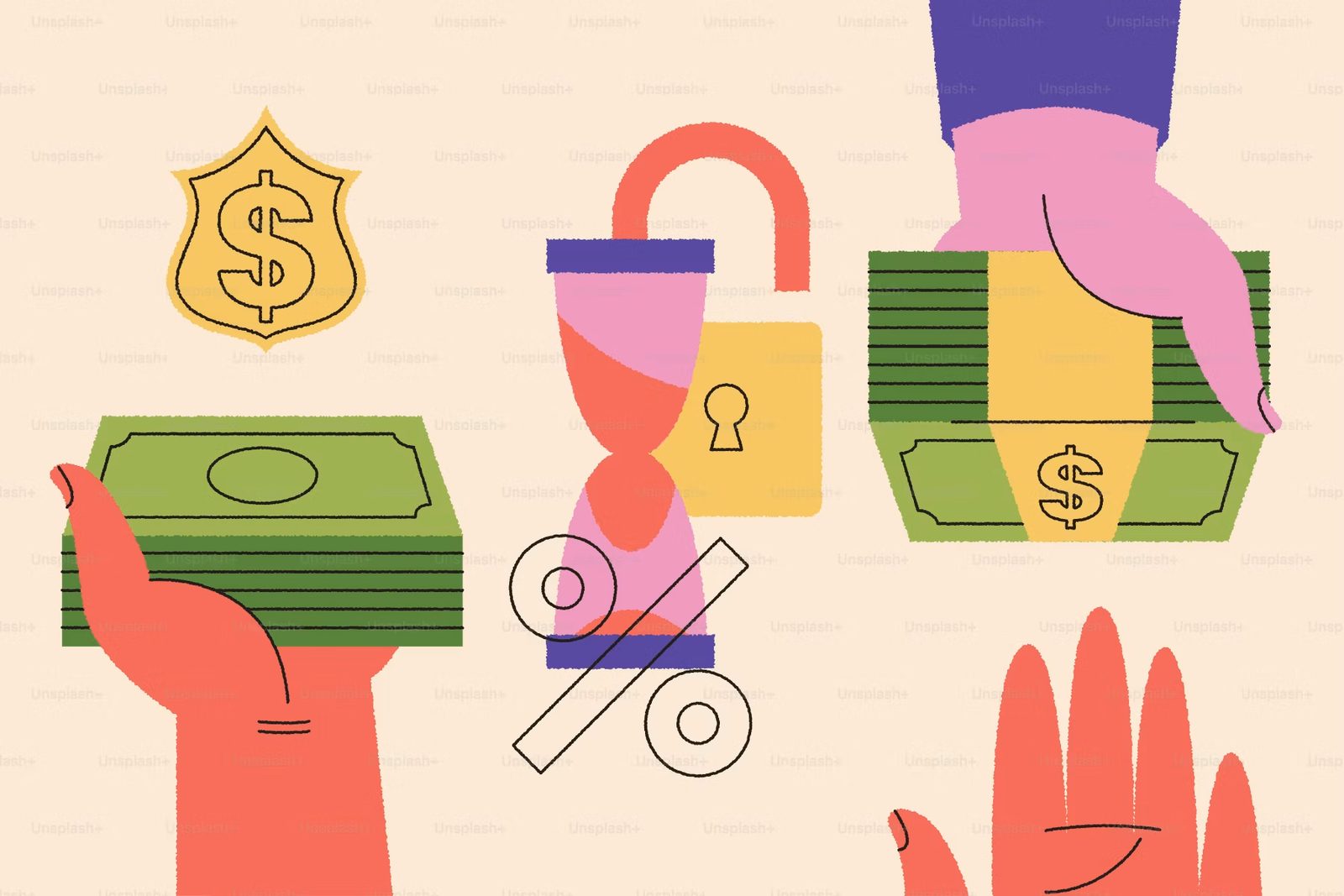
Put Your Subscriptions On Payroll
CakeClub® Rule: Every recurring charge must do a job, or it goes.
Every subscription you have is an employee. Some of yours stopped showing up to work months ago and are still getting paid.
That framing comes from our book Master Your Cash Flow; Let Them Eat Cake and Grow Wealth Too!, and it works because your brain files small charges under “doesn’t matter.” A $1,200 bill triggers attention and a decision. Twelve $100 charges slide past the same security system. And one survey summary found 42 percent of people still paying for a subscription they had forgotten about. At that point, the subscription is choosing you.
The fix is a language change: annualize. Speak every recurring charge in yearly terms. Five “only $15” subscriptions cost $900 a year, and $900 a year is real investable cash, the C in your Wealth Building Formula®.
Then run the payroll test. Every subscription must do at least one job: save time you actually use, improve your health in ways you can feel, grow income or skills, reduce stress for real, or create joy you use weekly. A charge with a job stays with pride. A charge with a title and no duties gets let go.
Here’s the move from the book, called the Microleak Move. Today, cancel or downgrade one subscription that failed the test, and immediately move that exact monthly amount into your savings. Same day, same dollars. The transfer is the point. A cancellation alone just disappears; a transfer turns the no into visible progress.
Subscriptions win while they stay invisible. You win when you make them show their work.
See every leak on one screen at CakeClubapp.com.
Want to keep improving your financial habits? Check out our Financial Education Library.
Ready to start getting clear on your financial goals? Download CakeClub® in the App Store.
The Money Leak You Approved: Where Your Cash Flow Actually Goes
Zoe is twenty-four, a junior designer making $72,000, and she would tell you she has almost no subscriptions. Asked to guess, she said maybe ninety dollars a month. Then she opened her transactions and counted eleven recurring charges totaling $179, including a beauty box for a version of herself who does elaborate skincare, and an annual-renewal app she genuinely believed she had cancelled in March.
Zoe is normal. One survey summary found 42 percent of people still paying for a subscription they had forgotten about. Recent research on American Gen Z consumers puts average subscription spending at $377 per month depending on how broadly the services are defined, which totals $4,524 a year leaving quietly and automatically.
I have spent my career years watching cash flow disappear, and the small leaks beat the big splurges almost every time. The reason sits in your wiring, and the fix is a twenty-minute meeting.
Why Small Charges Beat Your Defenses
Richard Thaler, the Nobel laureate behavioral economist, calls it mental accounting: we sort money into invisible folders, and the folders change how spending feels. A $1,200 bill lands as an event. It triggers attention, comparison, a decision. Twelve $100 charges get filed as small stuff and slide past the security system entirely.
Subscriptions lean on three predictable quirks. Small monthly numbers stay under your “this matters” threshold. Autopay separates the pleasure from the payment, so you enjoy the service on Tuesday and the money leaves on a random Thursday while you’re living your life. And free trials create “I might need this” attachment, so you keep paying for the possibility. The book adds a fourth, my favorite: identity inertia. People keep subscriptions because they once imagined becoming the person who uses them.
There is a cultural layer on top. A 2025 nationwide study from Credit One Bank found that more than half of Gen Z admit to lying or exaggerating about their financial success online, 38 percent of people admit to going into debt or damaging their credit to impress someone, and 46 percent of men said they would overdraft to impress a date. Spending built to be seen leaks even faster than spending built to be enjoyed.
The Subscription Board Meeting
No Chief Financial Officer (CFO) of a company lets software licenses auto-renew forever without review, and your life deserves the same discipline. An exercise from our book is called the Subscription Board Meeting: twenty minutes, quarterly, five steps.
List every subscription: streaming, apps, software, memberships, delivery perks, newsletters, cloud storage, fitness, gaming, AI tools, everything. Convert each to annual cost; multiply by twelve, because a $9.99 charge is $120 a year and five small ones can run $600 to $1,200 a year without registering. Classify each one honestly: weekly value, monthly value, or rarely used. Cancel one “rarely used” today, while the decision is warm. Then move the freed money to savings immediately, because a labeled transfer converts a cancellation into progress you can see.
Zoe’s meeting took eighteen minutes. Eleven charges, $179 a month, $2,148 a year at the annual exchange rate. Two failed every test, worth $55 a month between them, and the $55 started moving to savings the same evening: $660 a year, recovered from services she had already stopped enjoying.
Keep The Good Ones Loudly
None of this is anti-subscription. Learning platforms, a gym you use, productivity tools, entertainment you love: subscriptions like these earn enormous value. The rule is simple. If it earns its keep, keep it. If it doesn’t, redirect the cash flow. That is capital allocation, the way a CFO thinks, and financial independence begins with exactly that kind of intentional cash-flow design.
The stakes compound. Our book runs the math plainly: find $200 a month in microleaks, redirect it long-term, and at a 7 percent return over roughly forty years it grows to about $528,000, not guaranteed, just math. And, without working a single hour in a day longer. We call this “shuffling” paper, just looking at and dealing with paperwork.
The mechanics of that growth are the whole of the Power of Compounding, and the bucket it feeds is the C in your Wealth Building Formula®, covered in the Wealth Building Formula® lesson. Seeing the charges in the first place is the spending-plan work of Mastering Cash Flow.
— Application Box —
Amin’s Three Money Levers
Lever one, visibility: make the truth obvious. Money disappears when it fragments across cards, accounts, and apps; a single view, with accounts connected and spending categorized, stops patterns from hiding in plain sight. Lever two, friction: make expensive choices slightly annoying. Remove the most tempting apps, turn off one-click checkout, require Face ID for purchases, move shopping apps off the home screen, the adult version of putting cookies on the top shelf. Lever three, defaults: put the good choice on autopilot. A default can be tiny, an alert, a weekly check-in, a rule that new subscriptions wait twenty-four hours. One rule to remember: if a goal matters, store it in your environment instead of your motivation.
Back To Zoe
Zoe kept nine subscriptions, and she kept them on purpose, each with a job she could name. The other two fund a labeled bucket she watches grow. Her next board meeting is on the calendar for November, twenty minutes, standing agenda.
Leaks survive on invisibility. A meeting with an agenda ends that, quarterly, for the rest of your life.
Want to keep improving your financial habits? Check out our Financial Education Library.
Ready to start getting clear on your financial goals? Download CakeClub® in the App Store.
Related Resources